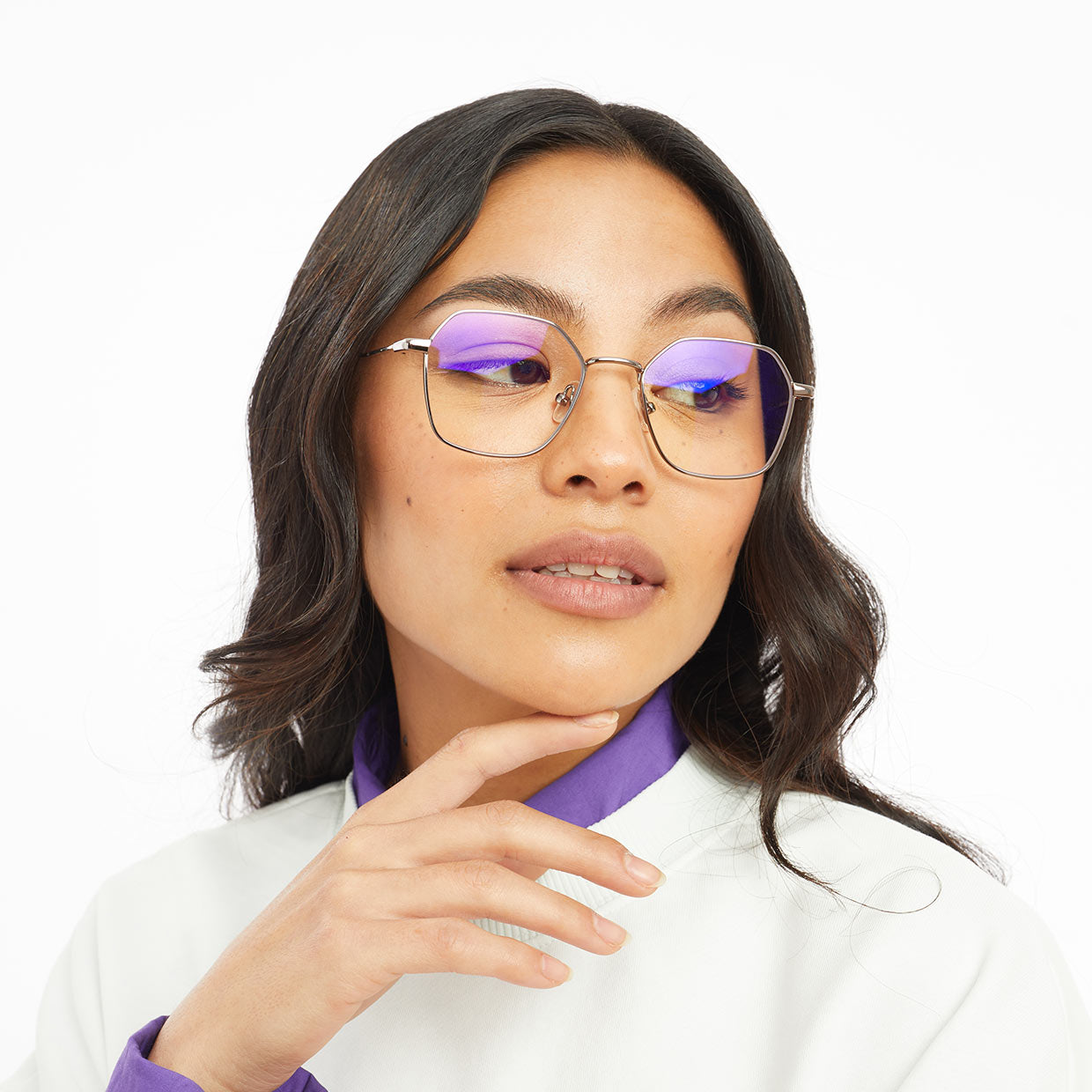
Tinted Reading Glasses
Find tinted reading glasses that merge fashion with eye protection. Shop now for stylish designs that offer clear vision and UV protection.
Collection
Material
Shape
Trending
Collection
Material
Shape
Find tinted reading glasses that merge fashion with eye protection. Shop now for stylish designs that offer clear vision and UV protection.
Tinted reading glasses offer a unique combination of style and functionality, providing not only the magnification needed for clear close-up vision but also reducing glare and enhancing visual comfort. Whether you’re reading under bright lights, spending long hours on digital devices, or simply seeking a fashionable eyewear option, tinted reading glasses can be a great choice. In this article, we’ll explore the benefits of tinted reading glasses, provide guidance on selecting the best pair, and discuss different lens types and frame materials to help you find the perfect glasses for your needs.
Tinted reading glasses offer several significant benefits that make them a popular choice for many individuals:
Selecting the best tinted reading glasses involves considering several factors to ensure they meet your vision needs and style preferences.
The type of lenses in your tinted reading glasses plays a crucial role in their effectiveness and comfort:
The material of the frames is equally important in determining the comfort, durability, and overall look of your tinted reading glasses:
People wear tinted reading glasses for several reasons, primarily to reduce glare and improve visual comfort. Tinted reading glasses can enhance contrast and reduce the brightness of certain light sources, making it easier to read in different lighting conditions. For those who spend a lot of time reading under fluorescent lights or working on digital devices, tinted lenses can help reduce eye strain by softening harsh lighting. Additionally, tinted reading glasses can offer protection from harmful blue light emitted by screens, which is particularly beneficial for people who use computers, tablets, or smartphones for extended periods.
Yes, tinted reading glasses can be good for your eyes, especially if they are tailored to your specific needs. Tinted lenses can filter out specific wavelengths of light that may cause discomfort or strain, such as blue light from digital screens. This can help reduce symptoms like headaches, eye fatigue, and blurred vision. For individuals who are sensitive to bright lights or who suffer from conditions like photophobia (light sensitivity), tinted glasses can provide significant relief. However, it’s important to choose the right tint for your needs, as overly dark lenses may cause other issues, such as reduced visibility in low-light conditions.
While you can wear tinted reading glasses all the time, it’s important to consider the tint's intensity and purpose. Mild tints designed for reducing glare or filtering blue light can be worn for extended periods without causing discomfort. However, darker tints, like those found in sunglasses, may not be suitable for indoor use or in low-light conditions, as they can reduce your ability to see clearly. If you require constant glare reduction or blue light filtering, consider opting for a light tint or a specific blue light filter that allows you to wear the glasses comfortably throughout the day, both indoors and outdoors.
Older individuals often wear tinted glasses to enhance visual comfort and reduce glare. As people age, their eyes can become more sensitive to light and glare, making it difficult to see clearly in bright conditions or under artificial lighting. Tinted reading glasses can help alleviate this discomfort by softening the intensity of light and improving contrast, making it easier to read and perform other close-up tasks. Additionally, older adults may be more susceptible to conditions like cataracts or macular degeneration, where tinted lenses can help reduce light sensitivity and enhance overall visual clarity. Tinted glasses can also protect aging eyes from harmful UV and blue light, further contributing to long-term eye health.
© 2026 Barner. All rights reserved